Liability Coverage — protecting others
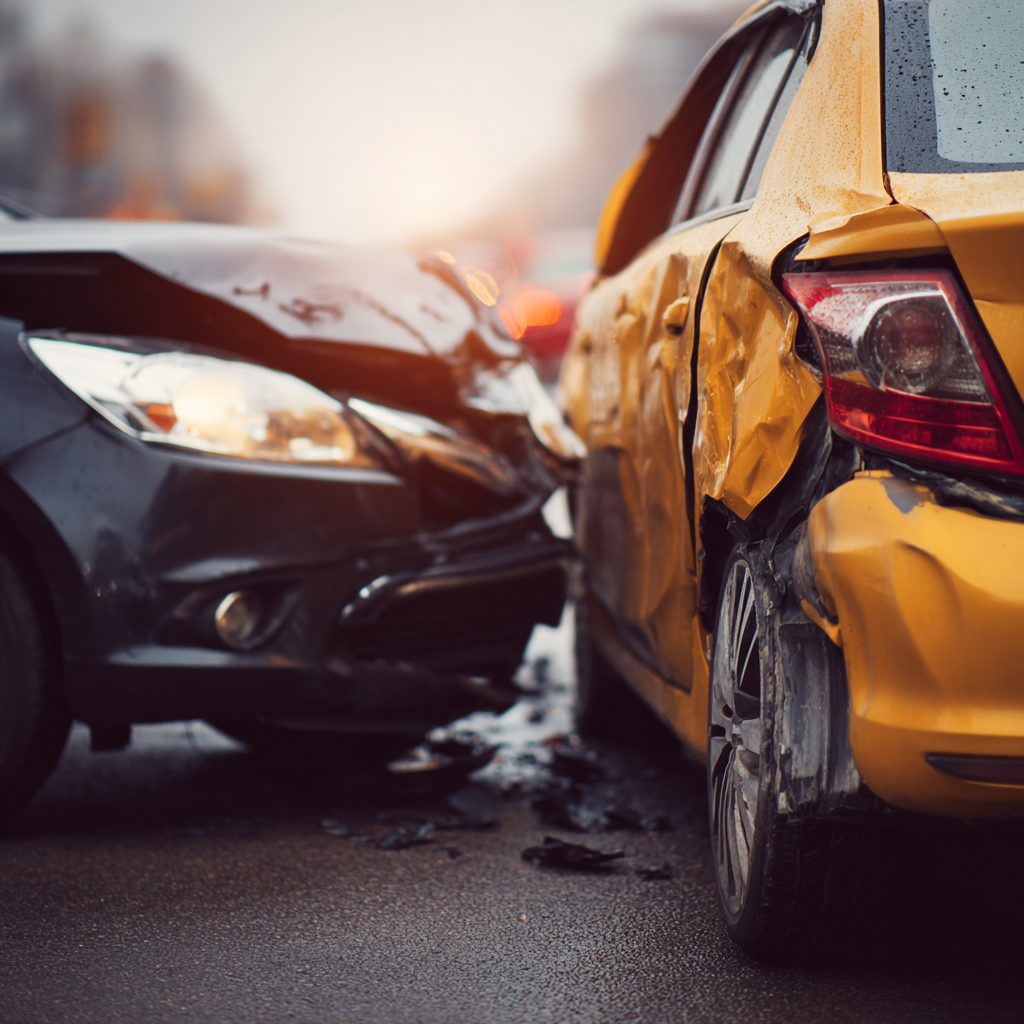
Liability is the one that covers other people’s property and injuries when you cause an accident. This is often required by law in almost every state, because it protects other drivers and pedestrians.
Think of it as your “oops fund” for damages you accidentally cause. If you rear-end someone or hit a fence while backing out of a driveway, liability kicks in for the costs the other person experiences. That includes repairs, medical bills, and sometimes legal fees if they sue.
Two things you’ll see on your policy: bodily injury limit and property damage limit. A common notation looks like 25/50/25:
25 = $25,000 max per person for bodily injury.
50 = $50,000 max per accident for bodily injury total.
25 = $25,000 max for property damage per accident.
If the total damages exceed these limits, you’re responsible for the rest out of your own pocket. That’s why many drivers choose limits higher than the minimum required by law — accidents can get expensive fast.
Example: You accidentally hit someone and their medical bills total $40,000. If your per-person limit is $25,000, your insurance pays $25,000, and you might be on the hook for the remaining $15,000. Ouch.
Collision Coverage — fixing your car when you crash
Collision coverage is about your car, not anyone else’s. It covers damage to your vehicle from a crash, no matter who is at fault. This could be a fender-bender, hitting a mailbox, or even backing into a pole in a parking lot.
Like most coverage types, collision has a deductible. That’s the amount you pay out-of-pocket before insurance kicks in. For instance, if you have a $500 deductible and your repairs cost $2,000, you pay $500 and insurance covers $1,500.
Choosing your deductible is a balancing act. Higher deductible = lower premium, but more money to pay if you crash. Lower deductible = more peace of mind, but higher monthly cost.
Example: You’re parking at the grocery store, and another car bumps into yours. Cost to fix the bumper: $1,200. Deductible: $300. Insurance pays $900. You pay $300. Simple math, but knowing your deductible ahead of time avoids surprises.
Collision is optional in most states, but if your car is new or valuable, it’s generally a smart buy. Driving without it means you cover repairs yourself if something goes wrong — and repairs aren’t cheap these days, especially for modern cars with sensors and cameras.
Comprehensive Coverage — damage from everything else
Comprehensive coverage handles damage not related to a collision. Think theft, vandalism, natural disasters, falling trees, hail, fire, flooding, or even hitting an animal.
Like collision, comprehensive also has a deductible and pays for your vehicle’s repair or replacement. It’s sometimes called “other than collision” coverage, because it’s literally everything else.
Example: You park your car outside during a storm and hail dents your roof and hood. Repair costs: $2,500. Deductible: $500. Insurance pays $2,000, you pay $500. Without comprehensive, you’d cover the entire $2,500 yourself.
Comprehensive is usually optional, but if you have a new, financed, or leased car, lenders often require it. It’s also worth considering in areas with high theft, vandalism, or severe weather risk.
How they all work together
Most drivers end up carrying liability + collision + comprehensive, because each covers different risks. Liability protects others, collision protects your car from crashes, and comprehensive covers everything else.
Here’s a scenario: You’re driving to work and slide on an icy street, hitting a guardrail (collision) and cracking your windshield (comprehensive). Liability wouldn’t pay for either, because you only damaged your own car. Collision would cover the guardrail damage, and comprehensive would cover the windshield if the ice also caused it to crack in a non-crash event.
Having all three creates a safety net that covers pretty much every common situation except intentional damage or racing — those are excluded in most policies.
Optional add-ons to consider
Once you understand the basics, you can think about extra coverage:
Rental reimbursement — if your car is in the shop after a covered accident, this pays for a rental.
Gap coverage — useful for leased or financed cars; pays the difference if your car is totaled but you still owe more than it’s worth.
Roadside assistance — towing, battery jump-start, lockout help. Not a huge money-saver but convenient.
Custom parts coverage — covers aftermarket upgrades or fancy electronics not included in standard coverage.
These add-ons aren’t mandatory, but can be lifesavers depending on your car and lifestyle.
Tips for new drivers
Read your dec page carefully — limits, deductibles, and coverage types are all listed there.
Ask questions — there’s no stupid question when it comes to insurance.
Balance coverage and cost — too little protection risks huge out-of-pocket costs; too much can be expensive monthly.
Revisit coverage every year — life changes, car value changes, rates change. Adjust if needed.
Shop around — different insurers price the same coverage differently. Don’t just stick with your first quote.
Bottom line
Liability, collision, and comprehensive are the three pillars of auto insurance. Each has a distinct role:
Liability protects others from your mistakes.
Collision protects your car when you’re at fault or hit something.
Comprehensive protects against everything else — theft, weather, animals, or random mishaps.
Together, they form a strong safety net, especially if you drive regularly, have a newer car, or live in areas with heavy traffic or unpredictable weather. Understanding these basics helps you make smarter choices, avoid surprises after accidents, and keep both your car and wallet safer.
Learning these terms now — before you get into your first accident — is like learning the map before the journey. It won’t prevent accidents, but it makes sure you’re ready when things happen. And trust me, being ready feels a whole lot better than staring at a repair bill wondering “what the heck am I supposed to do now?”