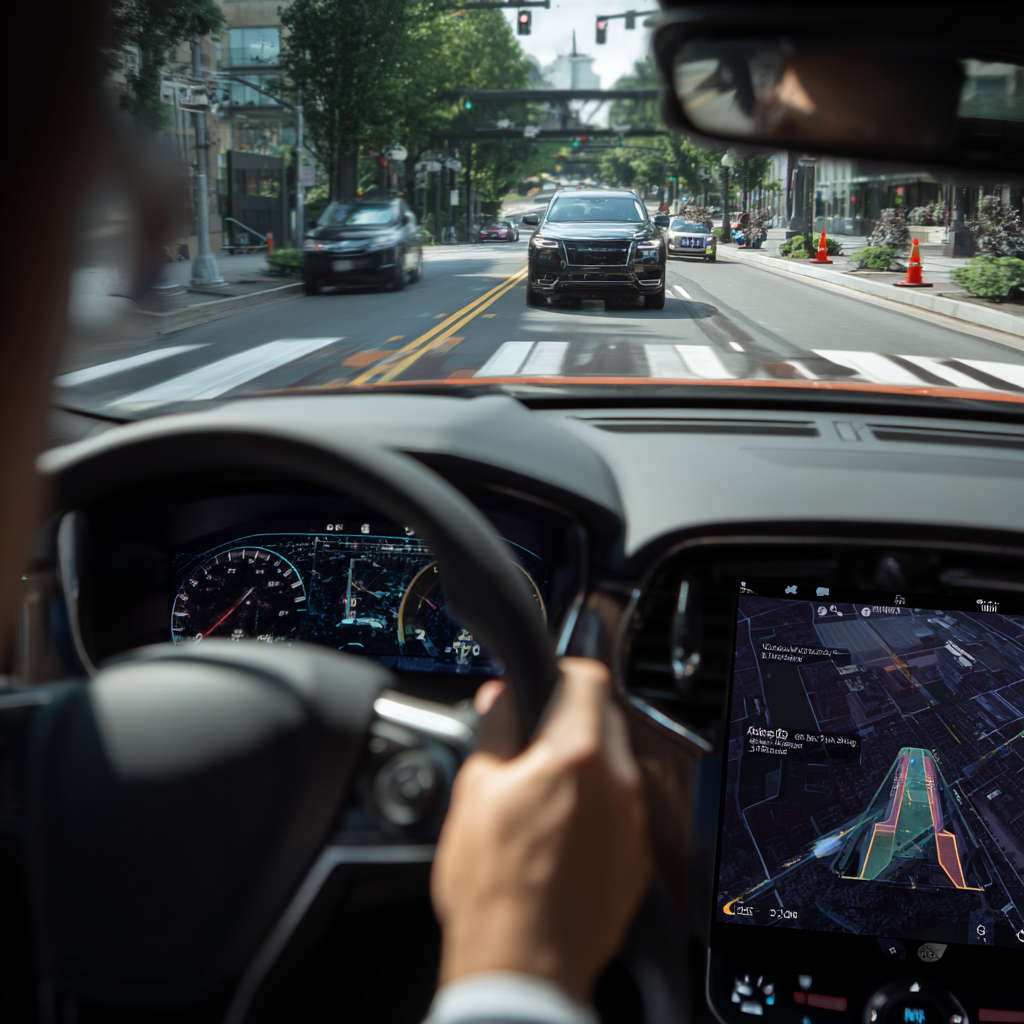
What counts as “safety tech” anyway
By safety tech I mean things like automatic emergency braking (AEB), lane-keep assist, blind-spot warnings, adaptive cruise control, rear-view cameras — basically the new generation of features that try to prevent accidents before they happen. Also things like anti-theft alarms or GPS trackers. These features promise fewer crashes, fewer thefts, less repair work. Sounds good to insurers. But there’s a catch: not all gadgets get noticed.
If your car has a rear-view camera, but you don’t tell your insurer — or if you bought it used and the insurer doesn’t trust the install — you may get no discount at all. Often the discount only comes if the safety tech is part of the original factory build, or if the insurer’s paperwork properly reflects it.
So first: make sure your policy records match reality. If not, the tech doesn’t help.
When insurers actually give discounts
Yes — sometimes you get rewarded. Insurers look for tech that’s proven to reduce accidents or thefts. For example:
If a certain model with AEB shows fewer collision claims, that model might get better rates overall — and you benefit just by driving it.
Anti-theft systems — alarm, immobilizer, tracking — can cut theft risk. Especially helpful in cities. That may translate into lower premiums or lower theft-related surcharges.
Features that help avoid big claims: lane-departure warnings, blind-spot detectors, backup cameras for reversing accidents, etc. These help avoid minor collisions, fender-benders, parking-lot bumps — which relieve insurer cost pressure. Some insurers track this data and reward safer cars.
But: the discount usually isn’t huge. Maybe a few percent off. It’s rarely a “massive tech = half price” deal. Think of it as a small bonus, not a full discount.
Why discounts are often smaller than you expect (or missing)
Old cars, unclear history
If you drive an older car — or one that had big repairs or parts changed — insurers may distrust whether the safety features still work. Sometimes parts get swapped, wiring changed, or the system not properly preserved. Instead of discounting, insurers err on the side of caution and treat the car as “no special tech.”
Data, or lack thereof
Insurance companies use large datasets. A given feature only lowers rates if the data shows a consistent drop in claims for cars with that feature. Some newer features aren’t tracked well yet — too new, too few cars with it, or not enough claim history. Without that data, insurers often hold off giving discounts.
Also, even if your car has the tech, if you live in a high-risk area (high traffic, high theft, high accidents), the advantage might get wiped out by those bigger risk factors. So location, history, driving habits often matter more than gadgets.
Misleading marketing and expectations
Car makers, dealers, and tech marketers love to sell safety features as mile-saving miracles. But insurers treat them as risk-reduction tools, not magic bullets. For you it may help avoid one small accident — but insurers care about overall patterns across many drivers. So your personal careful driving plus good tech might not shift the rate if the neighborhood still has lots of claims.
Feature version — factory vs addon
As mentioned: if the feature came from factory, insurers tend to trust it. If it’s an aftermarket add-on — like you installed a backup camera or alarm later — many insurers discount it or ignore it altogether. So check before buying — sometimes after-market safety upgrades don’t pay off in premium discounts.
How to check if your safety tech helps you now
If you want to see if you get a discount, here’s a quick checklist:
On your renewal or quote request, make sure the “safety equipment” or “anti-theft” section is filled accurately.
Call or email your insurer: ask if they offer discounts for features like AEB, lane assist, etc. Some do, some don’t — better to ask directly.
Compare quotes — not just from your current insurer. Another company might value your car’s tech more than yours does.
Don’t assume — proof helps. Some insurers request VIN-based safety reports or car trim info to verify coverage. If you don’t supply that, you may get no discount.
When new tech actually doesn’t help — or can even hurt
It’s weird but true: sometimes safety tech can backfire in terms of cost. Here’s how:
Repair costs: If a car with sensors or cameras gets into a fender-bender, the repair bill might be much higher. Bump a sensor, and maybe the whole bumper or camera module needs replacing. Insurers know that. They may charge more for cars with expensive-to-fix tech, or won’t discount them because the risk (cost) per claim is higher.
False sense of security: Drivers may drive more aggressively or pay less attention, thinking the car “will save me” — humans do weird stuff like that. Higher claim risk might offset safety benefits. Insurers factor in average claim history, not your personal driving faith.
Premium vs discount balance: Even if your car qualifies for a discount, the base premium might already include a surcharge for “premium car / expensive repairs.” Result: discount + surcharge cancel out, leaving you paying about the same or more.
So new tech is not always a win — good to know before you depend on it.
Bottom line: use it smart, don’t count on magic
Is safety tech worth having? Heck yes. It helps you stay safer, maybe avoid accidents, maybe avoid stress, maybe avoid bigger bills. And sometimes — just sometimes — it does lower your insurance premium a bit. But it’s not guaranteed, and usually not dramatic. Think of it as “bonus protection,” not “free discount.”
If you buy a car with good built-in safety gear, that’s handy. If you add after-market alarms or features, check with insurer first — maybe no benefit, or maybe they won’t even cover it.
Don’t rely on tech alone — keep good driving habits, park smart, check your coverage carefully, and shop around policies often.
What you can do right now
Gather your car’s VIN, equipment list, and check exactly which safety features it has (factory build or aftermarket).
Contact your insurer before renewal and ask about discounts for safety features or anti-theft gear.
Compare 2–3 other insurers — sometimes one values safety tech more than others.
Balance coverage and deductibles carefully — safety tech doesn’t replace the benefit of adequate coverage if a crash or theft happens.
Review which optional coverages you have — sometimes insurers treat a “tech-loaded car” as high-risk for theft or expensive repairs and add surcharges, so decide if extras are worth it.
At the end of the day, advanced safety tech is awesome — for YOU. It can make driving livable, less stressful, maybe a bit safer. If it brings a small break in your premium, cool bonus. But don’t expect it to cut your rate in half, or magically erase all risk. Treat it like a tool, not a guarantee. Keep your eyes open, drive carefully, update your insurer when things change, and shop around smart.
That’s the reality. Not perfect, but honest — and hopefully helpful.